How to Measure Organisational Culture: 7 Practical Ways to Understand What Is Really Happening


Workplace culture is often discussed but rarely measured well. Many organisations rely on engagement surveys or informal feedback and assume this gives them a clear picture of how their culture is functioning. Culture is shaped by behaviour, leadership, systems, and lived experience, so it needs to be measured in more than one way.
Measuring culture is not about finding a single score. It is about understanding how it feels to work in an organisation, how people behave under pressure, and whether stated values actually show up in everyday decisions.
What Sports Teams Teach Us About Workplace Culture
We often see clear examples of culture at work in high-performing sports teams. A team does not go from an unsuccessful season to a winning one by chance. There is usually a deliberate shift in standards, beliefs and behaviour.
That shift then needs to be reinforced through consistent decisions and leadership for it to hold. Over time, teams change again as players come and go, people are injured, or conditions shift. Culture moves with them.
The same applies in organisations. Culture does not change once and stay there. It requires clarity, reinforcement, and ongoing attention. When done well, people buy in, momentum builds, and sustained performance becomes possible.
Below are seven practical ways organisations can measure workplace culture in a meaningful and useful way.
Culture-focused surveys
Culture surveys are most effective when they move beyond engagement and satisfaction. Well-designed surveys focus on behaviours, trust, accountability, decision making, clarity, and how safe people feel to speak up.
Questions should reflect the organisation’s real context and ask about lived experience rather than aspirational values. Anonymity, clarity about purpose, and visible follow-up matter. Without these, trust erodes and the data quickly loses value.
Facilitated workshops and listening sessions
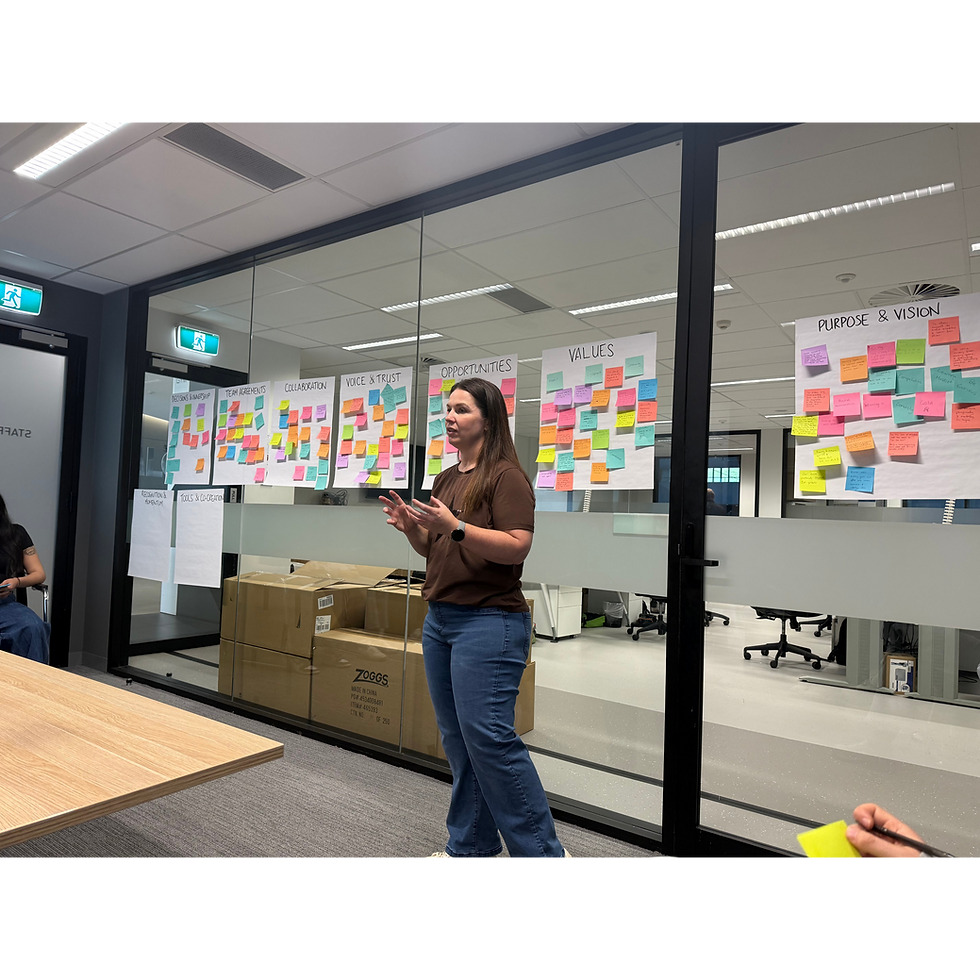
Workshops and listening sessions create space for people to talk openly about what is working, what is not and where pressure exists. When facilitated well, they surface themes that surveys often miss, including unspoken norms, power dynamics and differences across teams.
They also allow leaders to hear directly from their people, which is critical when culture is shaped by perception as much as policy and governance. For this to work, people need to feel safe to speak honestly and trust that what they share will be handled with care.
Using middle managers as an early signal
Middle managers are closest to the day-to-day experience of staff and are often the first to notice when something feels off. Changes in energy, behaviour, engagement, or team dynamics usually show up here first. Capturing these observations in a structured way, through reflection forums, facilitated discussions, or regular check-ins, provides valuable cultural insight.
This is not about monitoring people or assigning blame. It is about helping managers reflect on what they are seeing, sense check patterns with others, and understand when support may be needed. When managers have a safe place to raise concerns early, organisations are better positioned to respond before issues escalate.
Leadership behaviour review through 360-degree feedback
Leadership behaviour has a significant impact on culture, particularly during periods of change or pressure. One of the most effective ways to understand this impact is through 360-degree feedback. This approach gathers structured input from peers, direct reports, and leaders, offering a fuller picture of how behaviour is experienced.
Used well, this is not about judgment or scoring. It is about awareness and development. It helps leaders see where their behaviour supports the desired culture and where it may unintentionally undermine it. To be effective, 360 feedback should be development-focused and supported by coaching or facilitated reflection so insight turns into action.
Employee lifecycle data
Data across the employee lifecycle often reveals important cultural signals. Recruitment outcomes, onboarding experiences, promotion patterns, absenteeism, and turnover trends can highlight where culture is supporting people or pushing them away.
These patterns are rarely random. When reviewed alongside qualitative insight, this data helps organisations move beyond assumptions and focus on what is actually happening.
Values alignment exercises
Values alignment exercises explore the gap between stated values and lived behaviour. Asking people to share examples of where values were positive in action, or moments where values feel compromised, quickly reveals whether values are guiding decisions or simply existing on paper.
Misalignment here is one of the most common sources of frustration and disengagement, and it provides a clear indicator of where culture work needs to focus.
Regular pulse check-ins
Culture is not static, particularly during periods of change. Short, regular pulse check-ins help organisations track how people are coping over time, where pressure is building, and whether actions taken are having the intended effect.
These check-ins work best when they are simple, consistent, and used as a starting point for conversation rather than a compliance exercise.
Why Managing Workplace Culture Matters for Performance
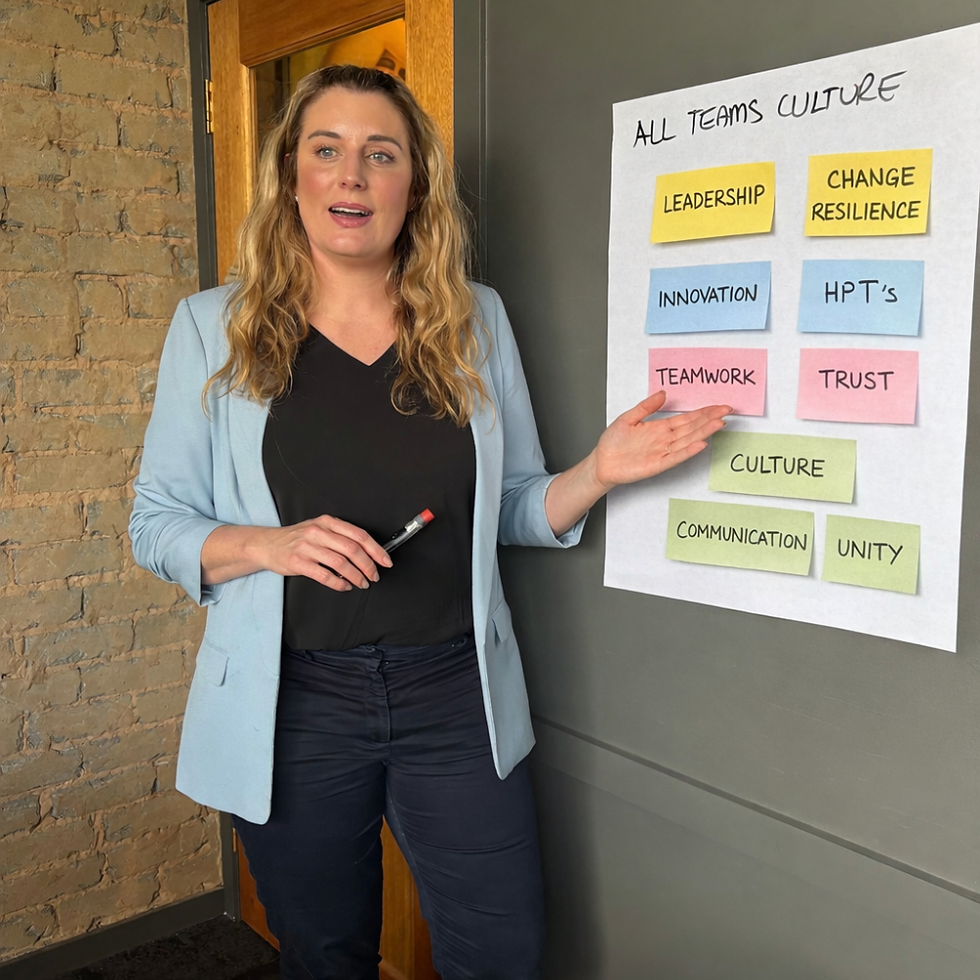
Workplace culture is constantly moving and changing. Without clarity and active management, it will drift. Strong culture comes from clear direction, shared goals, and alignment on what matters most, not just leadership statements or values documents.
While culture is sometimes dismissed as fluffy, it becomes very real when leaders and teams understand expectations and are willing to hold themselves and each other to account. When that happens, belief grows. People start to trust that effort matters, that improvement is possible, and that change can be sustained.
How to Turn Cultural Insights into Action
For many organisations, the challenge is not knowing that culture matters but knowing how to bring these different insights together in a structured and practical way. A well-designed culture assessment provides that clarity by combining multiple inputs into a clear picture that leaders and teams can act on.
Understanding culture is not about collecting more data. It is about making sense of what you are seeing and acting on it. The Assist Culture Assessment supports leaders to get a clear picture of their culture and create focused, achievable next steps.

Ready to get your project on track? Let’s talk about what is happening, where you want to get to and the right support to help you get there.

This blog post is a reflection of what we dive into in our newsletter, Awkward Conversations.
If you want frameworks and the leadership courage to tackle cultural drift head-on, subscribe to our newsletter. We send practical culture, leadership and change resilience tips straight to your inbox every fortnight.
Because letting things drift is easy. But choosing to have an awkward conversation? ... that's good for your culture.
Comments